
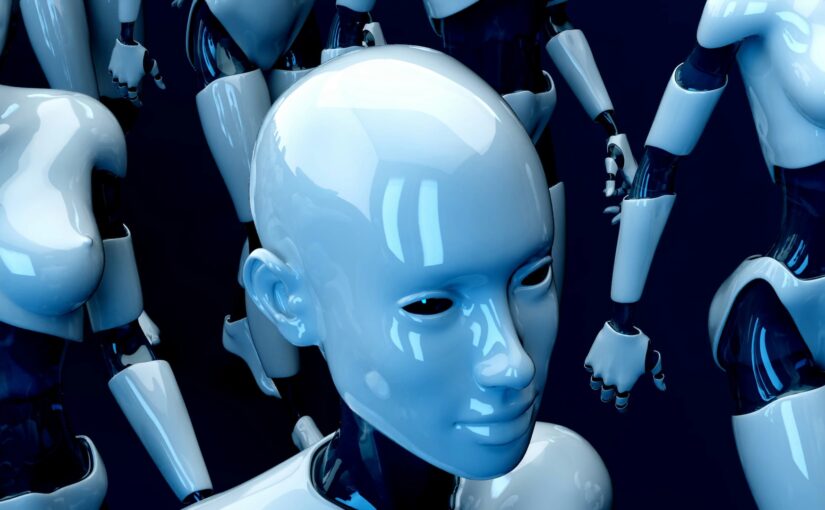
Few questions cause more anxiety than this one: Will artificial intelligence take my job? The rise of automation, machine learning, and advanced analytics has led many professionals to fear redundancy. Yet the truth is more nuanced — AI will reshape most jobs, not erase them. The challenge for today’s workforce is learning how to adapt, reskill, and evolve alongside the technology.
1. Automation Is Changing Tasks, Not Entire Careers
According to research by McKinsey Global Institute, less than 5% of occupations can be fully automated. However, more than half of all jobs could have 30% of their tasks automated. That means AI will assist you in certain functions — data entry, scheduling, analysis — while freeing time for higher-value, creative, and interpersonal work.
Jobs aren’t disappearing; they’re evolving. The professionals who thrive will be those who learn to delegate repetitive tasks to machines and focus on what humans do best: reasoning, empathy, and innovation.
2. New Roles Are Emerging Everywhere
While some administrative and routine jobs are declining, new categories are growing rapidly. The World Economic Forum estimates that 97 million new AI-related roles could appear globally by 2030. These include AI project managers, data ethicists, machine learning trainers, and digital transformation consultants. Even creative industries are expanding as technology opens new formats in design, media, and music.
For a practical guide to career reinvention, see Employee Outplacement Services — offering strategies for professionals navigating technological change.
3. The Most “Future-Proof” Skills
Technical knowledge alone isn’t enough. The skills least likely to be automated are those that rely on emotional intelligence, strategic thinking, and ethical judgment. Employers increasingly value:
- Critical thinking – the ability to question and interpret data responsibly.
- Creativity – combining logic and imagination to find new solutions.
- Adaptability – learning new tools and workflows quickly.
- Collaboration – working effectively with people and machines.
- Empathy – understanding customer and team needs beyond metrics.
These are the human traits that complement AI, not compete with it.
4. How Companies Are Adapting
Forward-thinking organisations are using AI to augment human capability. In finance, algorithms handle forecasting while analysts focus on client strategy. In healthcare, AI supports diagnostics while clinicians focus on patient care. In HR, automation speeds up recruitment, but empathy-driven coaching remains essential for employee wellbeing.
As Harvard Business Review highlights, AI’s greatest strength is enabling humans to do more — not less.
5. Preparing Yourself for the Shift
Start by evaluating which parts of your job could be automated and how you can adapt. Ask: which tools are entering my industry, and what new skills do they require? Upskilling doesn’t always mean learning to code — it might mean developing analytical literacy, data storytelling, or project management in an AI environment.
Practical steps include:
- Take a short AI fundamentals course online (e.g., AI for Everyone on Coursera).
- Follow industry newsletters to understand how automation impacts your field.
- Experiment with AI tools that improve your daily workflow — writing, analytics, or design.
6. Leadership in the AI Era
Managers and business owners face a new leadership challenge: balancing efficiency with ethics. Strong IT and operational leadership ensures that AI systems are used responsibly and inclusively. For more on aligning technology and people strategy, read IT Strategy & Leadership – A Vital Ingredient in Your Business.
7. The Psychological Side of Change
Workplace transformation can trigger uncertainty, especially for employees who’ve spent decades mastering traditional systems. Acknowledging that fear — and viewing change as learning rather than loss — is vital. Employers that invest in emotional support and coaching build stronger, more resilient teams.
Professionals who face redundancy or restructuring can benefit from transition support and mentoring. See What Is Outplacement? for an overview of how guided career change programs help people regain confidence and direction after organisational shifts.
8. The Future: Humans + Machines
The next generation of workplaces won’t divide humans and AI — it will combine them. Teams will include analysts, engineers, and algorithms working side by side. Success will depend on how well we collaborate with these new tools. Think of AI not as competition, but as an intelligent co-worker that amplifies what you do best.
Conclusion
AI will replace tasks — not people. The future of work belongs to those who adapt, learn continuously, and embrace collaboration between human creativity and machine intelligence. Instead of asking, “Will AI replace my job?” start asking, “How can I use AI to make my work more valuable?” The answer could define your next decade of career success.